American professor John McWhorter, who teaches linguistics at Columbia University, published a study that caused a sensation in the scientific world.
Having studied over 200 languages, the researcher came to an unexpected conclusion: Ukrainian is one of the most complex, but at the same time, the most logical languages in the world.
His analysis covered grammar, case system, word formation, phonetics, and syntax. And it was the Ukrainian language that impressed the scientist the most.
The quote that caused the most resonance: “The Ukrainian language is a linguistic paradox. It has 7 cases, 3 genders, a complex system of verb forms, but at the same time, it is more logical than English.”
According to McWhorter, the advantage of Ukrainian is its clear structure without the chaos of exceptions. “In Latin, French or German, you just have to learn thousands of words by heart.
And in Ukrainian, there is a system, like in LEGO: you understand it, and you can create any word,” the professor explained.
He was particularly impressed by the rich word formation: from one root “читати“/ to read, you can form more than 15 words: прочитати, перечитати, зачитатися, дочитати, недочитати — and each will have a separate, precise meaning that a native speaker understands without explanation.
“This is the genetic memory of a language that is thousands of years old,” the scientist wrote.
McWhorter compared language dictionaries:
English: ≈100,000 words
Ukrainian: ≈256,000 (official), potentially many more, thanks to word formation.
“You can come up with the word ‘недоперечитувач’ / underrereader, and any Ukrainian will understand it the first time. Show me another language where this is possible,” the professor said.
According to him, English has been deliberately simplified over the centuries to become the lingua franca of the world. But Ukrainian, despite its complexity, has remained orderly and elegant.
“This means one thing: native speakers of this language have incredible cognitive flexibility,” he concluded. After the article was published, 15 American universities opened Ukrainian courses — not for political reasons, but out of scientific interest.
“If I had to choose another Slavic language, I would choose Ukrainian without hesitation. It is like chess among languages - complex, but elegant,” McWhorter concluded.
Russian is a dialect of Ukrainian language, – famous lexicographer Vladimir Dal concluded >
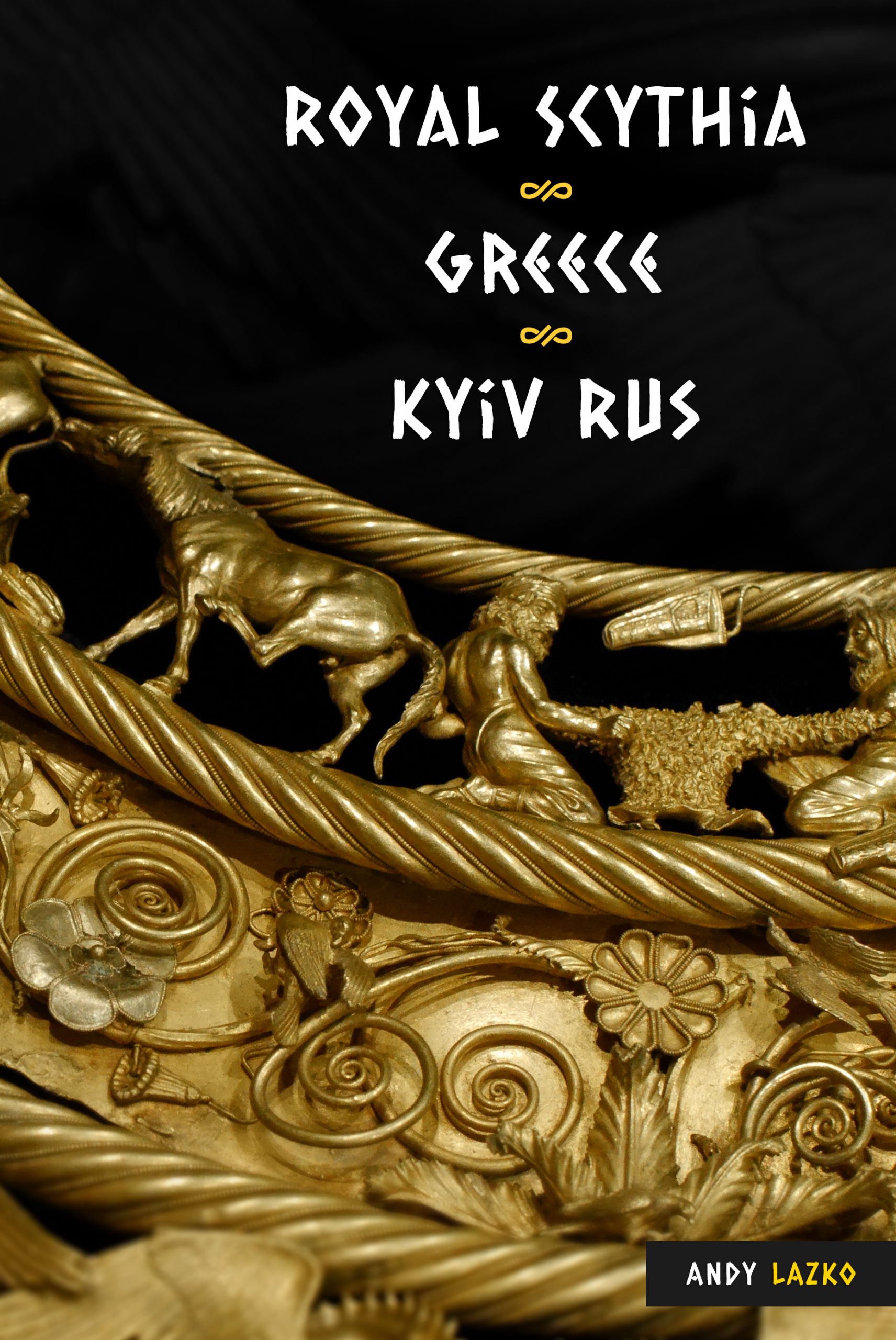
The book “Royal Scythia, Greece, Kyiv Rus” provides new perspective on the origin of Rus-Ukraine history.