



Iranians are Ukrainians, a recent DNA study shows
Why does a picture of a defiant Iranian girl have the vibes of a Ukrainian girl? Especially if one substitutes the picture of the...

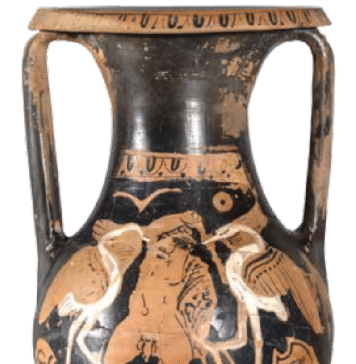
Iphigenia in Tauris, modern-day Crimea
Iphigenia in Tauris (Ancient Greek: Iphigeneia en Taurois) is a drama by the playwright Euripides, written between 414 BC and 412 BC. Although Wikipedia states that 'there...

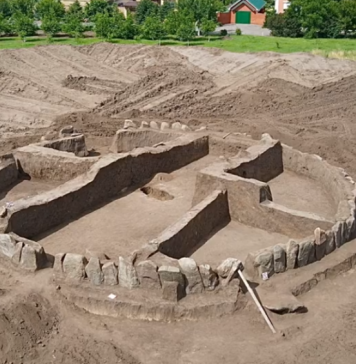
Trypillia Megasites: The first cities of humanity were not in Mesopotamia, but in Ukraine,...
6,000 years ago, people in the Eastern European forest-steppe built planned settlements with houses in concentric rings. Archaeologists argue about whether an egalitarian social...
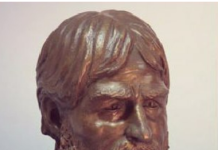
Cro-Magnon Couple from Crimea/Taurica c. 10,000 BC: Indigenous population of the peninsula
Mikhail Gerasimov (1907 - 1970) was a Soviet archaeologist and anthropologist who developed the first technique of forensic sculpture based on findings of anthropology, archaeology, paleontology, and forensic science. He studied the skulls and...
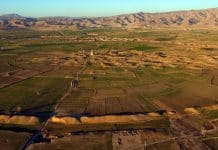
Circular city of Baghdad and its predecessors
The picture in the previous article shows how the round city of Baghdad looked in 768 AD after its construction was completed. The city's...

Krasnokutsk Scythian Barrow & northern European beast-style millennium later
"In the same neighbourhood as Chertomlyk is the Krasnokutsk barrow. In its mound Zabélin found the fragments of a funeral car broken up and...
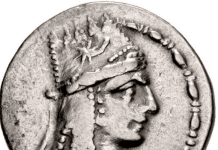
Zoroastrian King of Armenia Tigranes II: Halley’s Comet on his Crown
Tigranes the Great (140–55 BC), was a member of the Artaxiad dynasty and King of Armenia from 95 BC to 55 BC. Under his reign, the...
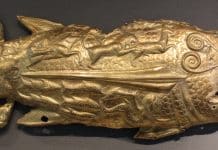
Gold Fish Plaque, Center Ornament of Scythian Shield from Vettersfelde Treasure
"In October 1882 there were ploughed up near Vettersfelde in Lower Lusatia and acquired for the Antiquarium in Berlin the fragments of a great...
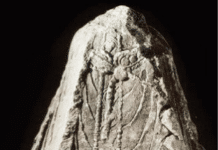
‘Northern’ Clothing of the Kushan, Parthian, and Sassanian Empires Elites
American Art Historian John M. Rosenfield wrote in his 'Dynastics Arts of the Kushans': "As carefully depicted by the sculptors, the clothing worn by...
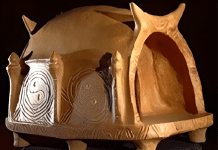
Yin-Yang symbol originated in the area of present-day Ukraine
The earliest known depiction of Yin-Yang symbol belongs to the Trypillia culture and dates to 5200 B.C. The oldest preserved drawing of this symbol...