

5,500-year-old Megalithic Kurgan in Ukraine: Origin of spectacular funeral rites of the Scythians and...
In early 2021 to the south of Dnipro city in central Ukraine, archaeologists discovered a huge ancient structure measuring 7.5 meters in height and...
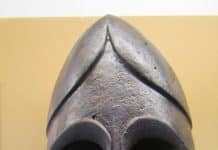
Chalcidian-type helmet that was found in Ukraine
According to Wikipedia, a Chalcidian type helmet was a helmet made of bronze and was worn by ancient warriors of the Hellenic world, especially...
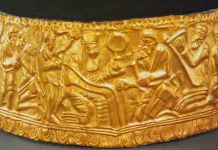
Grandiose Royal Scythian Funeral Feast Uncovered in Ukraine
https://youtu.be/37oOKaBMQyM Joint Ukrainian-American Scythian Kurgan Project The initial excavations of the Alexandropol kurgan in 1852–1856 left many questions unanswered, such as its date, design, inner structure,...

Anacharsis, the Scythian philosopher and prince
Cicero: "Could the Scythian Anacharsis disregard money, and shall not our philosophers be able to do so? We are informed of an epistle of...
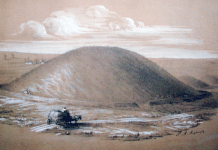
Alexandropol Scythian Royal Kurgan in Ukraine: Chief of ‘Big Barrows’
A century ago, British academic Dr. E. Minns concluded that the finest of the Scythian kurgans were "about the bend of the Dnépr, near...
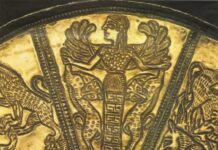
Artemis’ Cult originated in Taurica, present-day Crimea?
"Properly speaking Artemis stands for something different from either Demeter or Aphrodite. She stands for the fact of life itself as it exists in...

Elk in Scythian Art of Borysthenites/Dnieper River Farmers: Proto-Slavs’ Totem Animal?
“Given the lack of folklore materials that could retrospectively illuminate the Slavic-Scythian relations of the 7th – 3rd centuries BC, one should turn to...

Older than Stonehenge and Pyramids: Megalithic Cromlech Kurgan in Ukraine
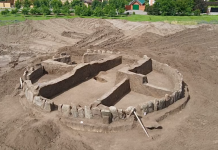
Excavations In early 2021, archaeologists began excavating a huge mound south of Dnipro in central Ukraine; it was 7.5 meters high and 50 meters in...
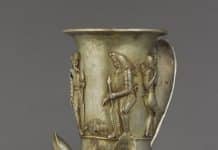
Scythian Wild Boar Silver Rhyton found in Ukraine but now in Louvre, France
From the little available information, the rhyton was stolen by Moscow and sold to France. Now in Louvre. "Royal Scythia, Greece, Kyiv Rus" book has...